About the Department
OVERVIEW
The Department of Electrical and Electronic Engineering, Nigerian Defence Academy, Kaduna, Nigeria was established in September 1988, but academic activities commenced a year later. The general philosophy of the department is to produce graduate military officers with high academic standard and adequate background and of immediate value to the needs of the military in particular, industry and nation in general.
The department provides comprehensive high quality education to help the students acquire knowledge, analytical and critical thinking skills. It sensitizes the students to the ever increasing needs of the society and prepares them for the challenges of a rapidly changing world. Our programme is designed and offered with the highest quality standards. As an evidence to mark this quality, the programme is accredited by the National Universities Commission (NUC) and the Council for the Regulation of Engineering Practice in Nigeria (COREN). This speaks volumes of the quality of our programme, the laboratory facilities and learning resources available to our students and the quality of our dedicated staff that you will enjoy learning from and interacting with.
GENERAL INFORMATION
In 1988, the Board of NDA approved the establishment of a Faculty of Engineering & Technology with the Department of Electrical/Electronic Engineering and Mechanical Engineering. The Departments were to offer courses leading to the award of Bachelor of Engineering (B. Eng) in their relevant areas. Sequel to this approval, the Commandant of NDA visited the Nigerian Air Force Technical Group (NAFTTG) and toured their Laboratories and Workshops. It was found that the workshop facilities in the Academy and to some extent the Laboratories in NAF TTG were suitable for the proposed engineering programme of the Academy. Consequently, the Commandant directed that arrangements be made to start the teaching of engineering courses in NDA in September 1989.
The Department of Electrical/Electronic Engineering commenced the teaching of courses in September 1989. The programme is of the semester system. Since inception about 850 graduates have produced, out of which about 10 finished with First Class Degree.
The Department moved to the permanent site in 2008 and is at present located in the Faculty of Engineering & Technology Complex. Facilities in the Department include adequately equipped Basic Electrical/Electronics Laboratory, Telecommunications Laboratory, Machines/Power Laboratory, Software Laboratory and Mechanical Workshop catering for the 200,300 and 400 level cadets. With the movement of the Department to the permanent site in 2008, availability of enhanced physical facilities has greatly contributed in achieving higher scope of teaching and research activities.
PHILOSOPHY OF THE PROGRAMME
The Department of Electrical & Electronic Engineering was established in 1988 and activities commenced in the Department in September 1989. The objectives of the programme are to produce Engineering Officers with sufficient academic background coupled with sufficient practical experience.
The general philosophy of the programme is to produce graduate military officers with high academic standard and adequate background and of immediate value to the needs of the military in particular, industry and nation in general.
OBJECTIVES OF THE PROGRAMME
To achieve the above aim, the Electrical/Electrical Engineering training programme is tailored towards realizing the following objectives:
- Ability to design engineering projects supervises construction process, operate and maintain such schemes. Investigate and evaluate various Electrical/Electronic Engineering structures/projects.
- Install and maintain Electrical/Electrical Engineering system so that they can perform optimally in peace and war time environment.
- Adopt and adapt exogenous technology in order to solve local Electrical/Electronic Engineering problems.
- Provide technical and management leadership for needs of the armed forces and professional level.
- Apply the fundamental principle methods of analysis and design to the development and modification of war like items.
A Graduate Officer should be able to perform the following functions:
- Design engineering projects and supervise their construction. Conduct maintenance study, investigate and evaluate various Electrical and/or Electronics System.
- Install and maintain complex engineering systems so that they can perform optimally in peace and war time environment.
- Adapt and adopt indigenous technology in order to solve local engineering problems.
- Apply the fundamental principles, methods of analysis and design to the development and modification of war-like items.
- Provide technical and managerial leadership for the needs of the Armed Forces at professional levels.
Programmes Offered
B.Eng Electrical/Electronic Engineering (for Officers Cadets)
- PhD Electrical/Electronic Engineering (Electronic and Communications)
- PhD Electrical/Electronic Engineering (Power and Machine)
- M.Eng. Electrical/Electronic Engineering (Electronics and Communications)
- M.Eng. Electrical/Electronic Engineering (Power and Machine)
- Postgraduate Diploma in Electrical Engineering (PGDEE)
- Master in Power System Engineering (MPSE)
- Master in Telecommunication Engineering (MTCE)
Department Staff

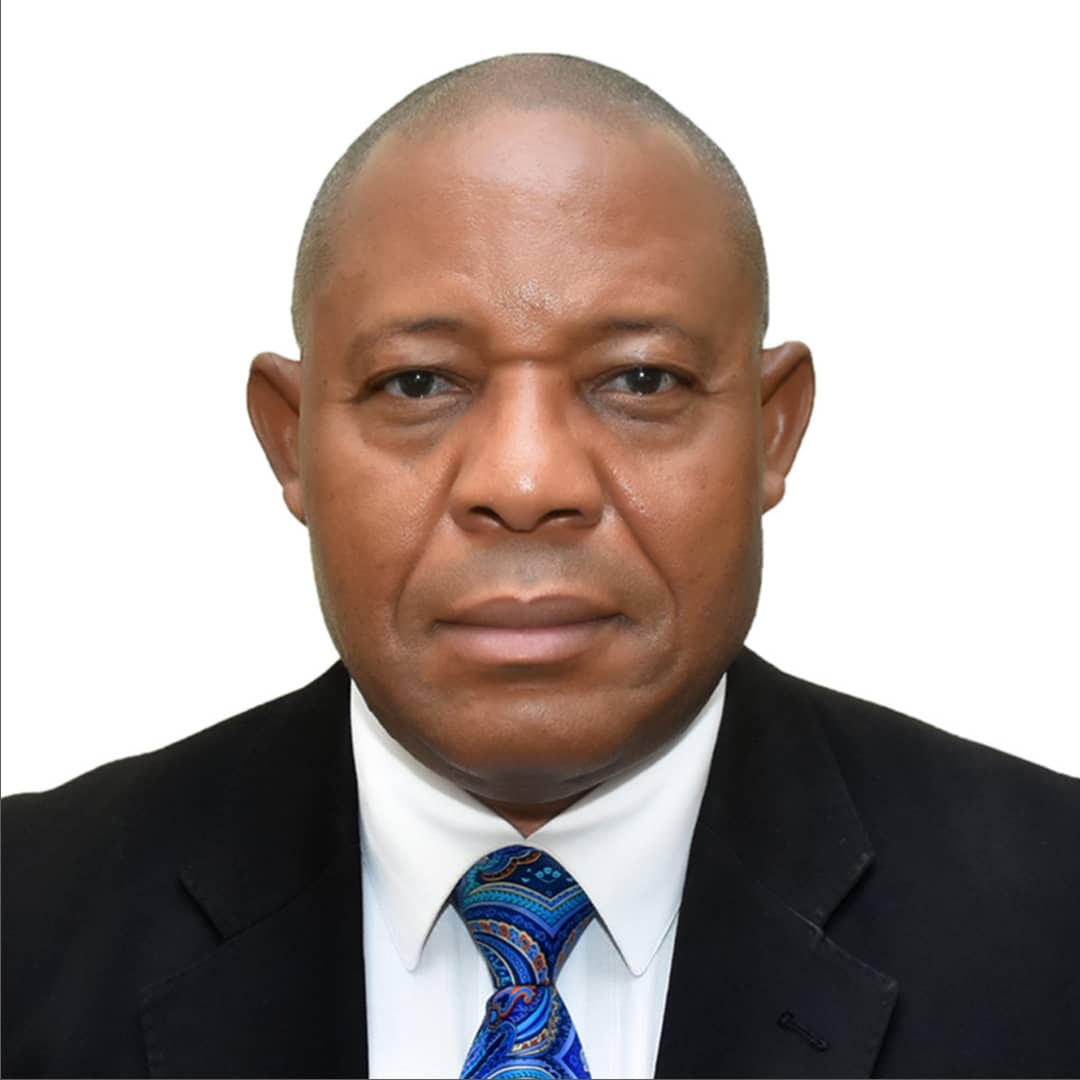
Engr Prof Samuel Ndueso John
Professor
Computer Science, Computing Machines, Complex Systems, Networks, and Cyber Security
View Profile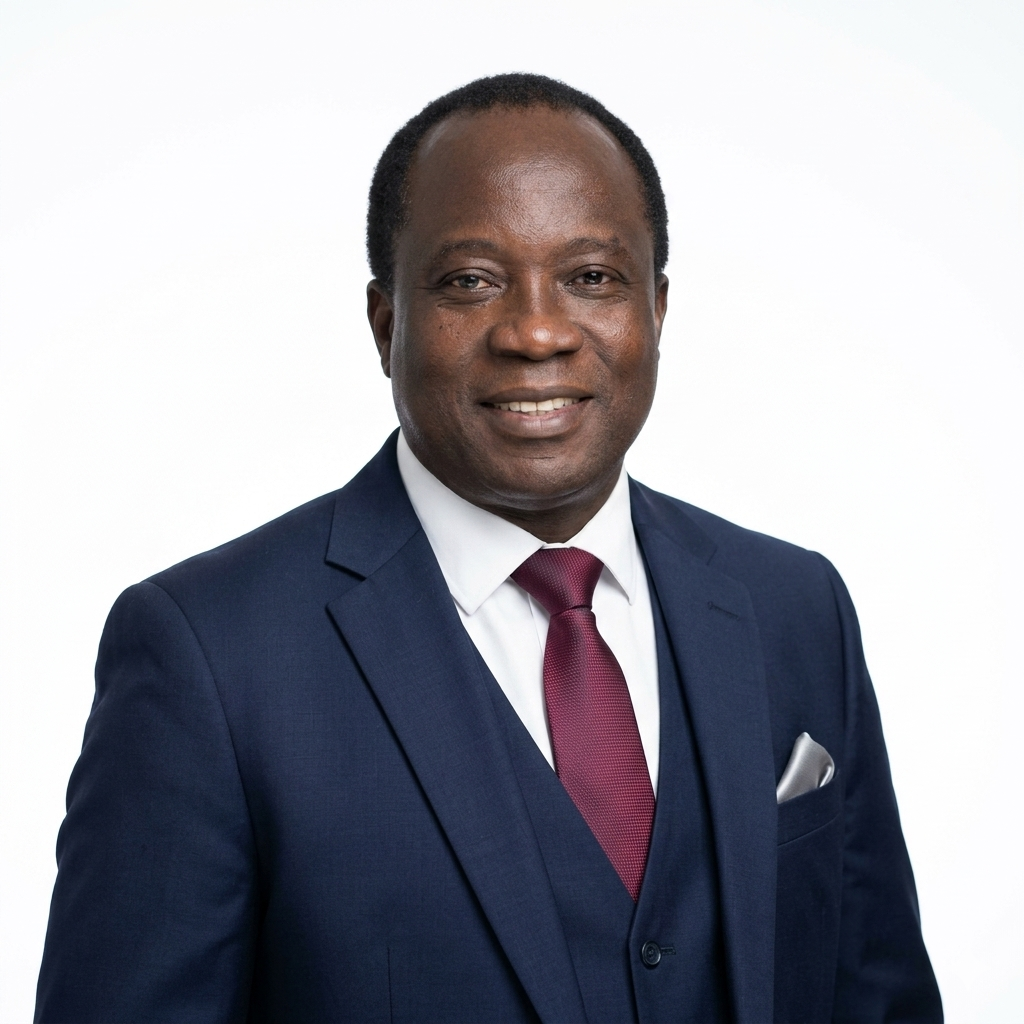
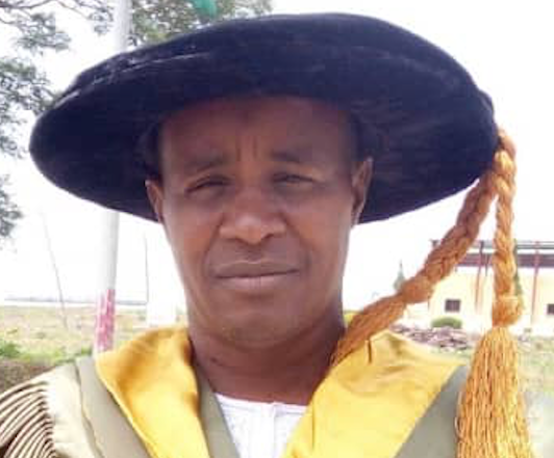
Dr/Lt Col (rtd) Sagir Lawan
Associate Professor
Telecommunication, Electronic Engineering, Video Coding, Electronic Warfare, Artificial Intelligence, Networks, and Cyber Security.
View Profile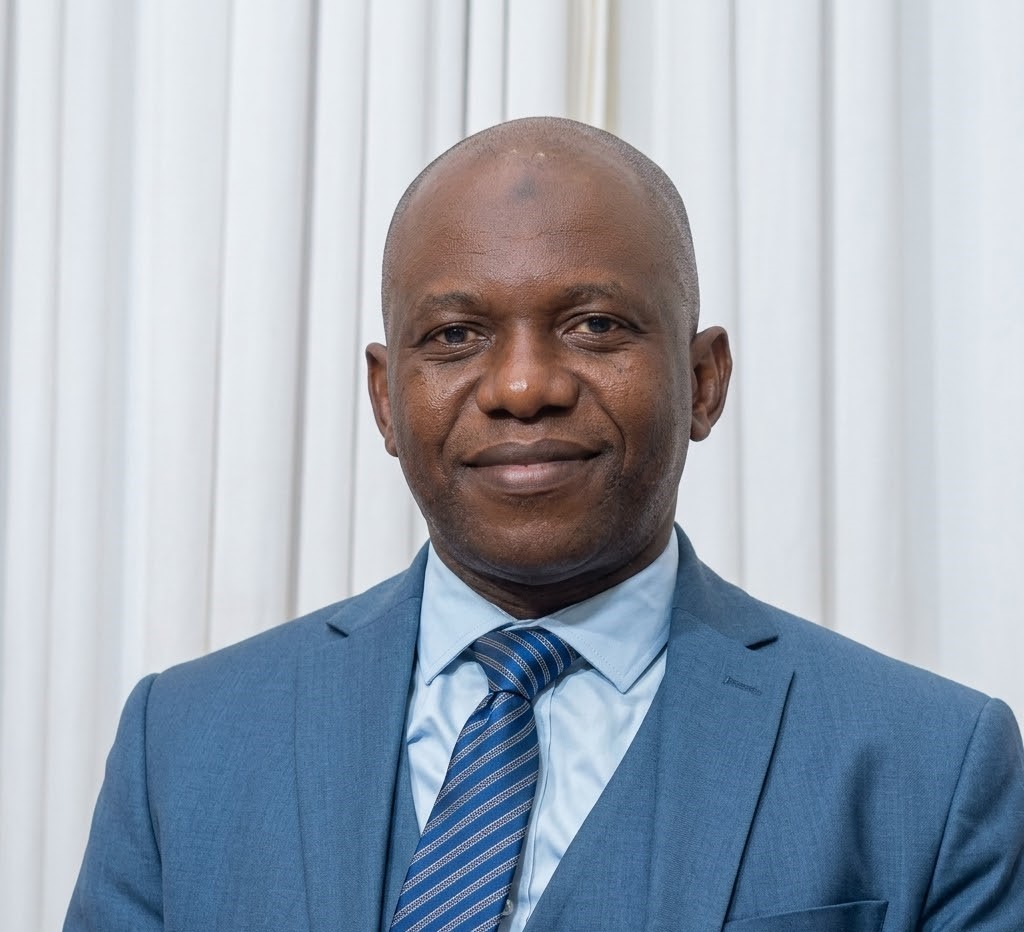

Engr Dr Adunola Fatai Olatunde
Associate Professor
Telecommunication / Control System Engineering
View Profile
Engr Dr Abel Ehimen Airoboman
Senior Lecturer
Electrical Power Systems Engineering, Power Machines, and Power Quality Analysis.
View Profile



Engr Aminu Rabiu Ladodo
Lecturer I
Digital electronics, embedded systems, and modern technological innovations
View Profile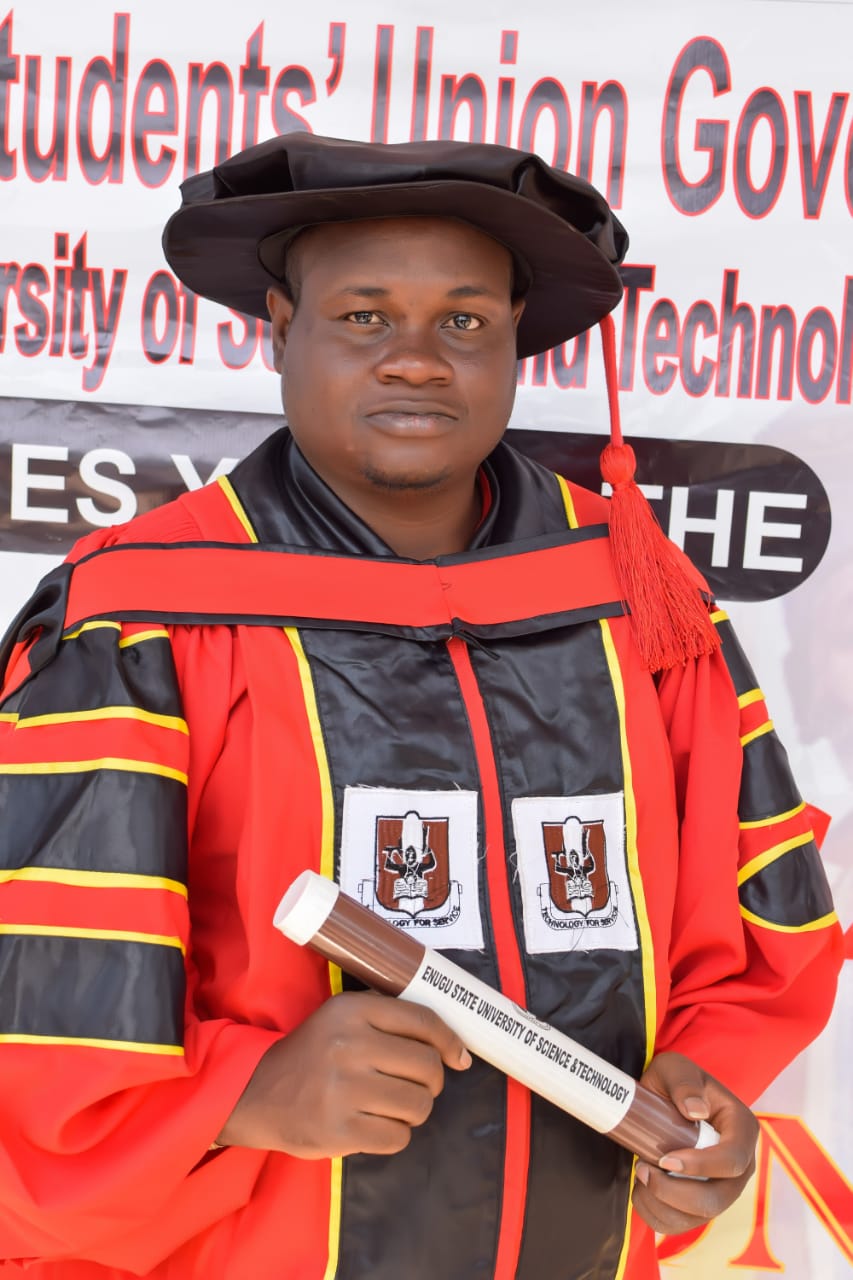


Engr Mrs Ruby Chinyere Beremeh
Lecturer II
Electrical and Electronics Engineering, with focus on Control and Instrumentation Systems.
View Profile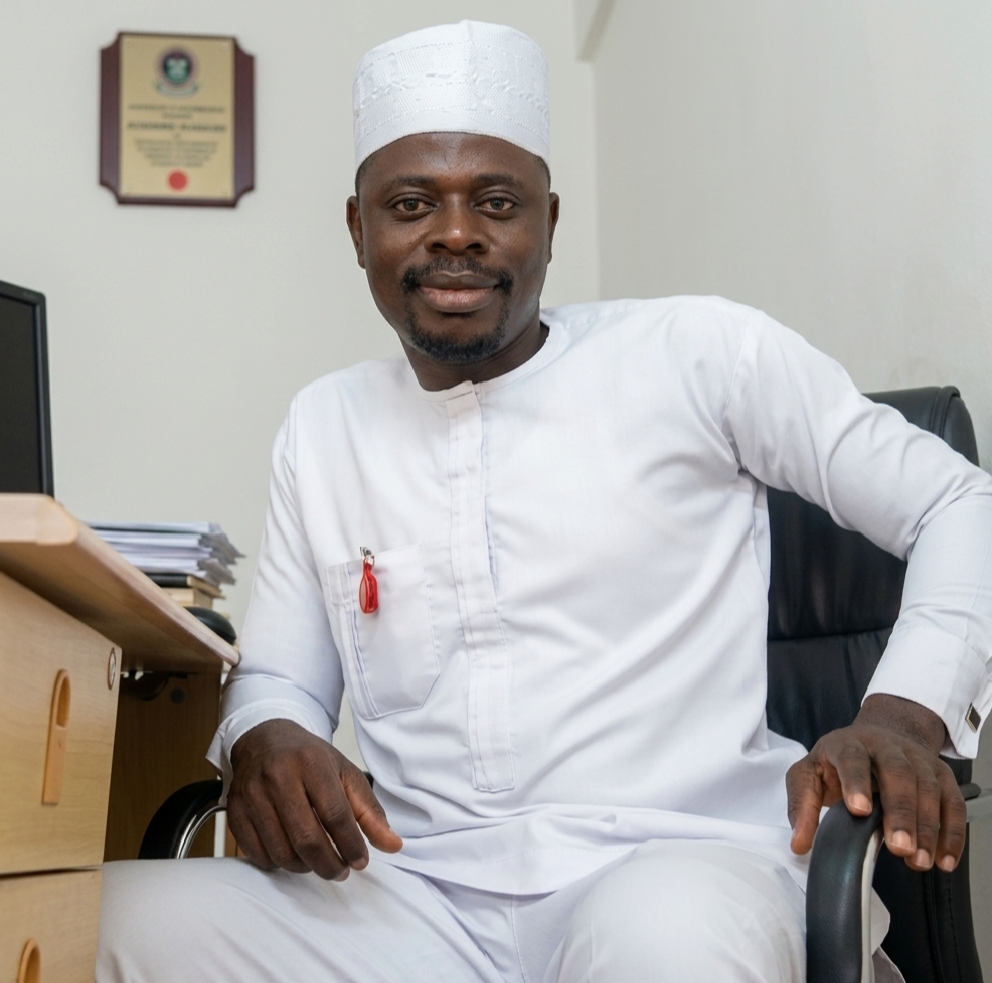

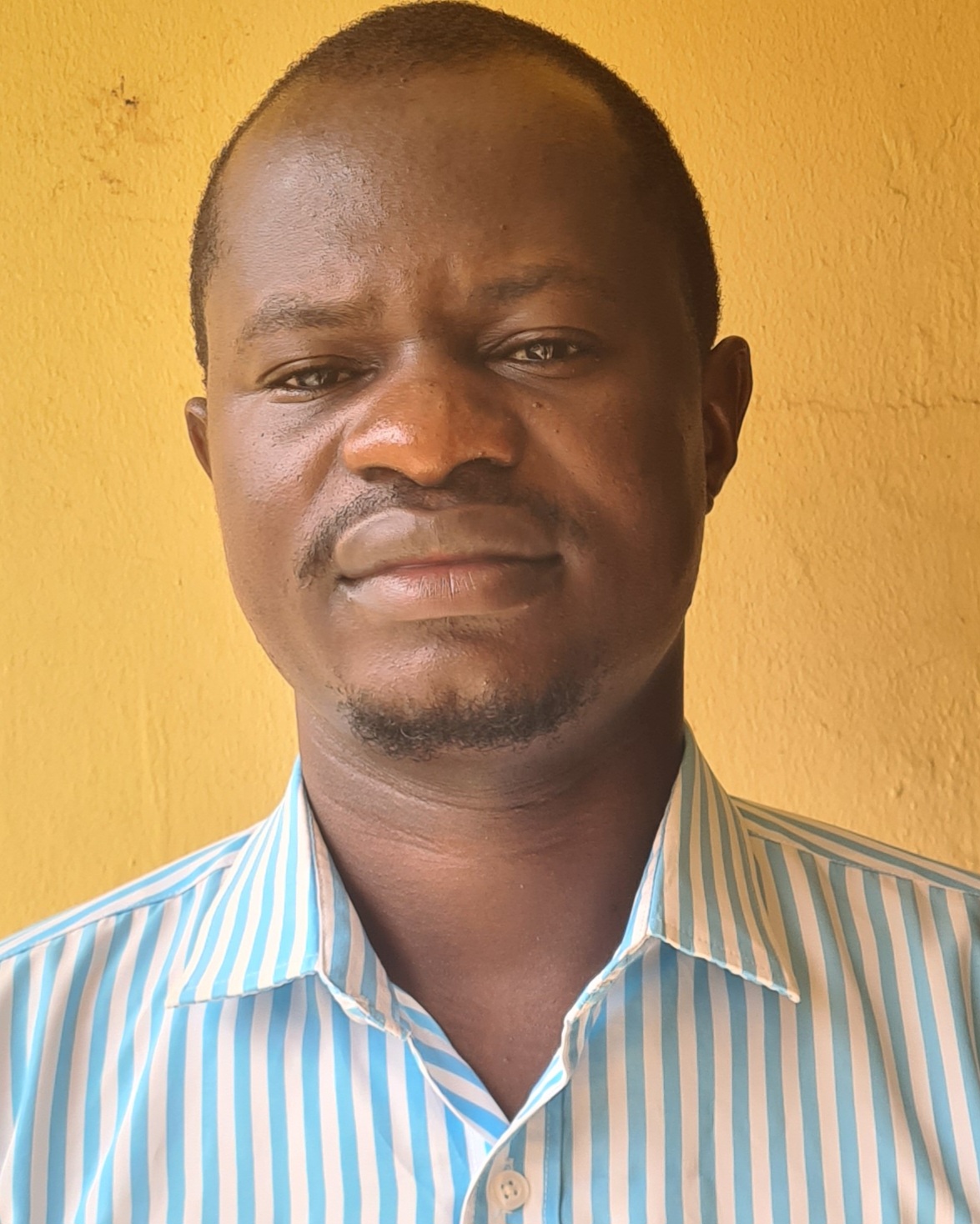
Mr Samuel Ephraim kalau
Assistant Lecturer
Power system stability, Renewable Energy Integration, Power System Protection and Control
View Profile

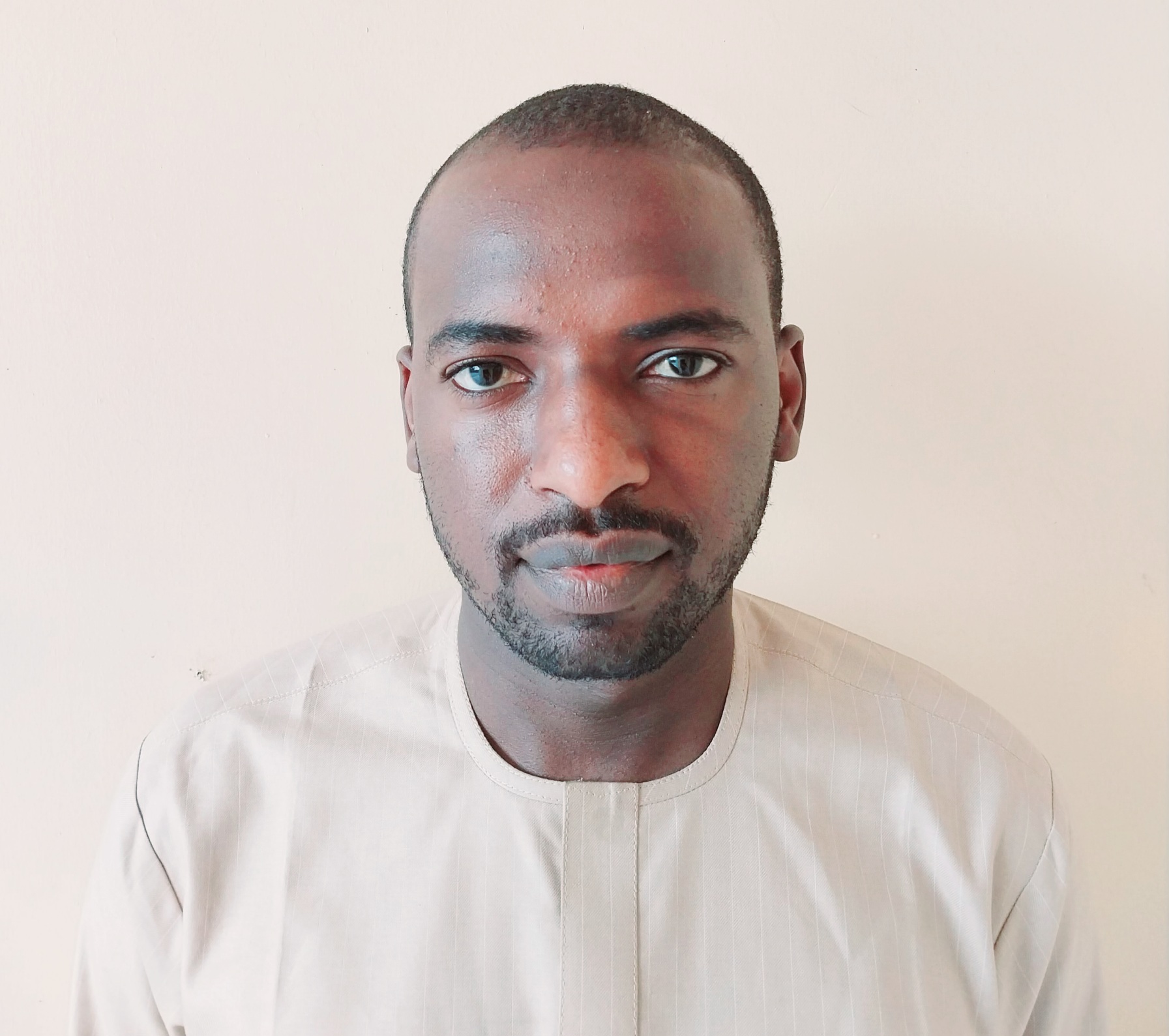
Mr Abdulkarim Ilyasu Aliyu
Assistant Lecturer
Electronics and communications engineering
View Profile


Facilities
- Power Systems Simulation & Modeling Suite: A computational and testing facility loaded with advanced modeling software (such as MATLAB/Simulink platforms). It is utilized to assess rotor angle stability, transient voltage regulations, and multi-machine grid configurations.
- Telecommunications & Signal Processing Infrastructure: Lab spaces dedicated to analyzing high-frequency data fields, implementing biometric authentication frameworks (including age-invariant facial recognition models and iris biometrics), and researching spectrum usage.
- Smart Grid & Backup Power Testing Grounds: Dedicated infrastructure utilized to design, simulate, and physically implement hybrid alternative backup power systems specifically optimized for military installations and institutional campuses.
Research Focus Areas
1. Power Systems Dynamics, Modeling, and Stability Analysis
This core area focuses heavily on ensuring grid security and preventing widespread failures under fluctuating load or supply conditions:
- Rotor Angle Stability & Transient Assessment: Advanced research into preventing mechanical oscillations and rotor speed deviations following sudden system disturbances, using Single Machine Infinite Bus (SMIB) and multi-machine power system modeling.
- Intelligent Voltage Regulation Scheme Design: Utilizing Automatic Voltage Regulators (AVR) integrated with intelligent Fractional-Order Proportional-Integral-Derivative (FOPID) controllers to mitigate severe voltage variations at the generator terminal.
- Power Quality & Grid Oscillation Mitigation: Designing and optimizing Power System Stabilizers (PSS) and adaptive damping controllers—such as Neuro-Fuzzy Controllers (NFC)—to improve damping ratios and shift unstable system poles into safe operating zones.
- Contingency Analysis & Loss Minimization: Modeling transmission networks (such as the Kaduna Power Systems Network) using specialized software like ETAP and MATLAB/Simulink to analyze parameter violations, conduct load flow analysis, and minimize technical losses.
2. Computational Intelligence & Metaheuristic Optimization
Faculty members actively develop and apply advanced machine learning and metaheuristic techniques to resolve complex engineering problems:
- Algorithmic Controller Tuning: Applying state-of-the-art nature-inspired optimization techniques—including Artificial Rabbits Optimization (ARO), Secretary Bird Optimization (SBO), and Artificial Ecosystem Based Optimization (AEO)—to automatically discover ideal gains for grid control hardware.
- Economic Load Allocation: Utilizing advanced heuristic and metaheuristic algorithms to calculate optimal power flow, reduce fuel costs, and maximize the efficiency of industrial electrical configurations.
3. Renewable Energy Integration & Smart Infrastructure
Addressing the modern challenges of integrating erratic green energy sources into standard grids and regional infrastructure:
- Hybrid Energy Source Stabilization: Investigating the complex dynamics of integrating highly intermittent solar PV, Doubly-Fed Induction Generators (DFIG), and Permanent Magnet Synchronous Generator (PMSG) wind farms with conventional grids.
- Battery Management & Electric Vehicles (EV): Reviewing and designing power electronics applications for EV battery charging architectures and managing low-inertia energy storage systems.
- IoT-Enabled Civil Systems: Designing intelligent, Internet-of-Things (IoT)-based automation frameworks—such as smart agricultural irrigation arrays utilizing real-time GSM alerts for efficient resource management.
4. Applied Signal Processing, Biometrics, and Cyber-Physical Security
Focusing on hardware intelligence, localized monitoring technologies, and data protections:
- Adaptive Biometric Authentication: Engineering robust, age-invariant facial recognition systems utilizing deep convolutional neural networks (CNNs), as well as integrating multi-modal iris and fingerprint biometrics into secure terminal access networks.
- Network Threat Mitigation: Researching corporate network security paradigms, including developing and configuring taintcheck-enabled honeypots to isolate malicious intrusions.
- Aviation & Microcontroller Sensing: Developing real-time hardware applications, such as low-cost microcontroller-driven ultrasonic ranging systems tailored for distance, trajectory, and bearing evaluation in aviation or target-detection contexts.
5. Advanced Telecommunications & Next-Generation Network Architectures
Faculty research in this domain addresses the structural, security, and spectrum demands of evolving wireless infrastructures:
- Cognitive Radio Networks (CRN) & Spectrum Management: Developing adaptive spectrum sensing models to dynamically identify underutilized frequency bands, optimizing channel allocation while mitigating interference for secondary users.
- 5G/6G & Internet of Things (IoT) Interoperability: Investigating how cognitive radio network architectures can seamlessly interface with 5G, 6G, and massive IoT deployments to support dense, low-latency communication links.
- Dynamic Network Tuning: Applying computational intelligence and metaheuristic algorithms to automatically tune signal processing filters and optimize routing paths within complex wireless data links.
6. Electronic Warfare, Signal Intelligence, and Channel Coding
Focusing on securing communication channels and maintaining robust data links under contested or high-noise conditions:
- Resilient Communication Protocols: Engineering secure signal modulation schemes and adaptive coding architectures capable of maintaining link integrity against intentional jamming and electronic countermeasures.
- Signal Classification & Processing: Researching deep learning-driven signal classification techniques to identify, analyze, and isolate wave characteristics in complex radio frequency environments.
- Antenna Design & Wave Propagation: Modeling electromagnetic wave behavior and specialized antenna arrays optimized for tactical field deployments and long-range point-to-point data transmission.
Key Achievements
- Dual Institutional Accreditation: The department has successfully maintained full, high-standard professional accreditations from both the National Universities Commission (NUC) and the Council for the Regulation of Engineering in Nigeria (COREN).
- Niche Military-Technical Staffing: Faculty members within the department have achieved top academic and leadership milestones, including producing professors and senior lecturers holding specialized memberships in major international bodies like the Institute of Electrical and Electronics Engineers (IEEE and IEEE Power & Energy Society).
- Advanced Algorithmic Implementations: Department researchers have contributed to the global scientific community by developing and publishing highly specialized optimization algorithms, such as the Modified Puma Optimizer (MPO) and Horned Lizard Optimization-Aquila Optimizer (HLAO), used to calibrate physical hardware systems.
- High-Impact Collaborative Publications: Faculty members consistently partner with global academic bodies (such as Nanyang Technological University and Amirkabir University of Technology) to co-author peer-reviewed research on grid stability and network optimizations.
Head of Department
Engr Prof Araga Idris Adejoh
Department of Electrical/Electronic Engineering
View Full ProfileDepartment Info
- Academic Staff
- 24
Parent Faculty